

The Johnson Partnership Manchester
A brand new office dealing with every aspect of criminal defence work in Manchester and the North West of England.
DVSA officers are required to wear body-worn cameras. This has been introduced as part of wider safety and enforcement measures
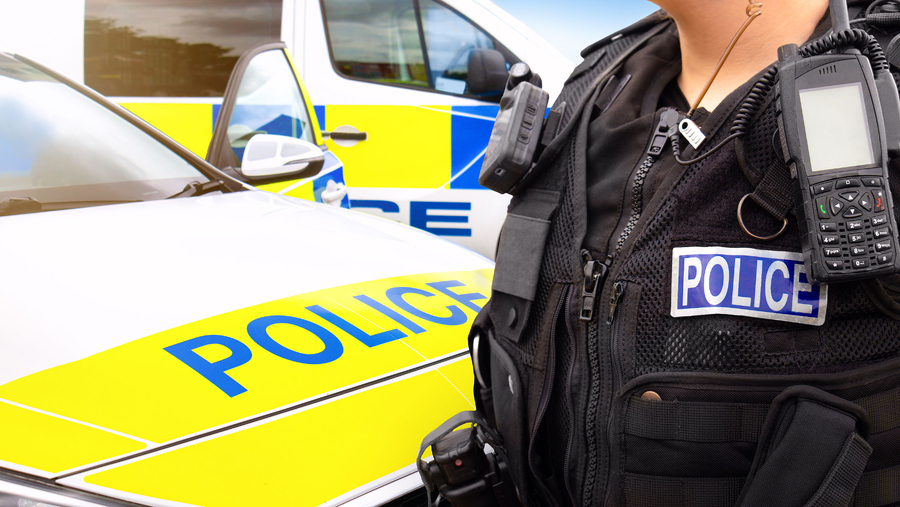
UK drivers should be aware of a key change to roadside enforcement: DVSA officers are required to wear body-worn cameras. This has been introduced as part of wider safety and enforcement measures, this new measure is designed to improve accountability and protect both officers and drivers during interactions.
So, what does this mean in practice and how could it affect you if you’re stopped?
The Driver and Vehicle Standards Agency (DVSA) made body-worn cameras a mandatory part of uniform from 27 January 2025 for traffic examiners, vehicle examiners, and enforcement officers.
These cameras are used during:
Roadside checks
Operator visits
MOT inspections
Other enforcement activity where safety may be at risk
Although DVSA officers have used body cameras for several years, this change changes their use across all enforcement roles.
The DVSA has stated that body worn cameras are now mandatory primarily to protect enforcement staff, particularly in situations where there is a risk of confrontation.
While most roadside interactions are routine, a minority involve threatening or abusive behaviour, making additional safeguards necessary.
Footage from bodycams can be used in prosecutions and Traffic Commissioner proceedings, particularly in cases involving obstruction or disputes with officers.
This means that offences such as speeding or dangerous driving could now be supported by video evidence gathered during roadside stops.
If your behaviour is considered inappropriate or if an officer feels at risk your interaction may be recorded and stored.
Bodycam recordings may be relied upon in legal proceedings. This is particularly relevant in cases involving alleged offences such as drink driving or drug driving, where roadside interactions can become key evidence.
Recordings can also protect drivers by providing an objective account of events, especially if there is a dispute about what happened.
With body-worn camera footage now playing a bigger role in enforcement, it’s more important than ever to understand your legal position.
If you are accused of offences such as careless driving (https://www.thejohnsonpartnership.co.uk/motoring-offences/careless-driving/) or more serious allegations, video evidence could be central to your case.
In these situations, seeking advice from experienced motoring solicitors such as The Johnson Partnership can help you:
Understand how footage may be used
Challenge incomplete or misleading evidence
Build a strong legal defence
Call The Johnson Partnership team today to see how we can help you - 0115 941 9141
Why are DVSA officers wearing body-worn cameras?
To improve safety, accountability, and transparency during roadside checks.
When are the cameras switched on?
Typically when an officer feels there is a risk or when recording evidence is necessary.
Can DVSA footage be used against me?
Yes. It may be used in investigations or court proceedings, particularly in disputes or enforcement cases.
Do DVSA cameras record continuously?
No. They are usually activated selectively, meaning they may only capture part of an interaction.
Can I request access to footage involving me?
Yes. Under UK data protection laws, you can request access to your personal data, including recorded footage.
What should I do if I’m stopped and recorded?
Remain calm and cooperative. The recording can help provide an accurate account of the interaction.
Do I need a solicitor if there is a dispute?
If your case involves offences like speeding, drink driving, or dangerous driving, seeking expert legal advice early can significantly improve your outcome.
A brand new office dealing with every aspect of criminal defence work in Manchester and the North West of England.

Everybody who finds themselves under arrest will be asked whether or not they'd like a solicitor. In almost every case, those services will be free of charge under the Government's Advice at the Police Station Scheme.

a stop and account does not involve a physical search. Unlike a stop and search, officers do not automatically have powers to detain you purely for questioning
Cannon Courtyard, Long Row
Nottingham
NG1 6JE
Tel: 0115 941 9141 - 24 hrs
mail@thejohnsonpartnership.co.uk
Mon – Fri: 9:00am – 5:30pm (Open 24 hours for police station advice)